
What the word means
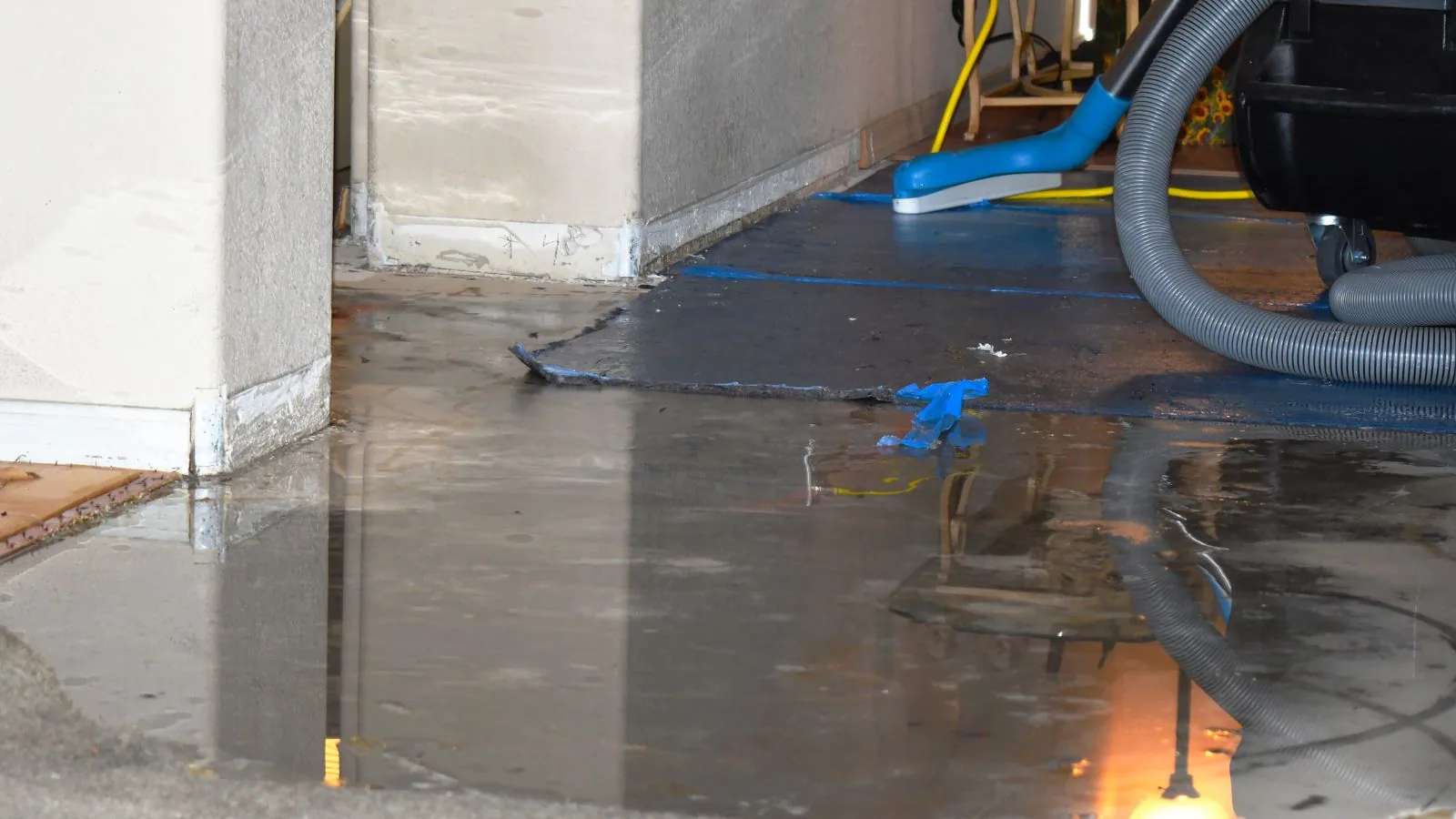
In plain terms, to mitigate is to make something less severe. Water mitigation is the set of steps that limit how much damage water does once it has entered a building.
The steps are usually the same whether the cause is a burst pipe, a storm or a failed appliance. Stop the source, remove the water, dry the structure and document the work.
Why policies mention mitigation
Most homeowners policies expect you to take reasonable steps to protect the property after a loss. That is often called a duty to mitigate.
Reasonable steps usually include shutting off the water, removing standing water and calling a professional. Not acting, and letting damage worsen, can give the insurer grounds to reduce a payment.
TermsThree words people mix up
| Word | Focus | Example |
|---|---|---|
| Mitigation | Limit the damage | Pump out a flooded basement. |
| Remediation | Remove a harmful substance | Clean up mold or sewage. |
| Restoration | Rebuild to the prior state | Replace drywall and flooring. |
The mitigation timeline
Water spreads quickly, so the first day matters most. Within hours, water wicks into drywall and subfloor. Within a day or two, odor and mold risk begin to rise.
The EPA notes that most wet materials should be dried within 24 to 48 hours to prevent mold. That is the window professionals work against.
Water in the house?
Call the 24/7 line. Mitigation starts with the first call.
What mitigation includes
Typical steps are stopping the leak, extracting water, removing wet porous material, drying the structure and monitoring readings. Some jobs add temporary protection such as a roof tarp.
Each step is recorded, which is useful when you file a claim.
- Water shutoff and safety checks.
- Extraction of standing water.
- Removal of saturated material.
- Drying with air movers and dehumidifiers.
- Daily moisture readings.
What mitigation does not include
Rebuilding walls, replacing floors and repainting are restoration. They happen after the structure is dry.
Some companies do both, and the scopes are written separately so that you know which part is which.
A simple example
Imagine a washing machine hose bursts on a Saturday. Mitigation is shutting the valve, pumping out the water, lifting the wet carpet pad and running dehumidifiers until the floor reads dry.
Restoration is what happens next. New pad, new baseboard, fresh paint and perhaps a new hose.
Why speed is part of the meaning
Mitigation has a clock attached. Water wicks, materials swell and odors set within hours. Quick action usually lowers the final bill and the scope of rebuilding.
That is why insurers and professionals alike treat the first day as the most important.
Who is responsible for mitigation
The homeowner is responsible for taking reasonable steps. In a rental, the tenant should notify the landlord immediately and the landlord arranges work.
In a condominium, the association may handle common areas while you handle your unit. Check your documents.
Signs mitigation was done well
A good job leaves you with a written scope, a drying log with falling numbers and a clear handoff to the next phase. You should see no lingering musty smell and no soft materials left behind.
If you do see them, ask for new readings before the walls are closed.
Mitigation in a rental or condo
If you rent, report the leak to the landlord in writing and take your own photos. The landlord arranges mitigation of the building, and you protect your belongings.
In a condo, the association's rules decide who handles common walls and floors. Tell the manager early and keep copies of every message.
Why quick action pays off
Every hour that materials stay wet increases the chance of swelling, staining and mold. Fast mitigation usually keeps more of the original materials and shortens the rebuild.
That is why we treat the first call as urgent, whatever the size of the leak.
Words that appear on estimates
Estimates may list extraction, demolition, containment, drying and cleaning as separate lines. Extraction is the water removal, demolition is the removal of ruined materials and containment is plastic and air control to keep dust or contaminants from spreading.
Drying is the equipment period. Cleaning covers surfaces and contents that can be saved.
What to ask before work starts
Ask for the scope in writing, the number of expected equipment days and the way readings will be reported. Ask what happens if the job grows beyond the first plan.
A clear answer to each question is a good sign. Vague answers are a reason to ask more.
How mitigation connects to your claim
Your policy may ask for receipts, photos and a description of the steps you took. Mitigation records provide all three.
Keep them together with the claim number so you can send them quickly when the adjuster asks.
StandardsStandards and what to do now
Professional procedures follow the S500 standard as a reference. If you have water now, what to do is stop the source, remove water and call a crew.
More detailMitigation and repair are different
Mitigation limits the damage and dries the structure. Repair rebuilds what was removed. Keeping the two separate helps you understand each invoice.
More detailWhy the timing of mitigation matters
The first day decides how far the water spreads. Wet drywall, insulation and flooring start to break down, and odors and mold become more likely the longer they stay wet.
That is why a call at night is not an overreaction. Stopping the source and starting extraction early keeps the repair smaller. See structural drying for the measured drying step.
Why timing matters in Haverford Township
The township is humid in summer, and Cobbs Creek and Darby Creek mark parts of its boundary, so wet basements are not unusual after heavy rain. Delaware County was part of the 2021 federal disaster declaration for the remnants of Ida.
Aqua Pennsylvania supplies water to the township. The utility owns the curb stop, so use your indoor shutoff when you need to stop water quickly.
Where to go next
If you have standing water, start with water extraction. If the house is still damp afterward, read about structural drying.
We handle both in Ardmore and Wynnewood, and we explain scope and price before work starts.
Common questionsMitigation meaning questions
Who owns the curb stop on a Haverford Township water line?
Aqua Pennsylvania owns the curb stop. Use the shutoff inside your house, and call the utility if the street valve must be closed.
Is mitigation always covered by insurance?
It is commonly part of a covered loss, but coverage depends on the cause and the policy.
Can I mitigate on my own?
For a small clean-water spill yes. For anything larger, professional equipment and readings are worth it.