
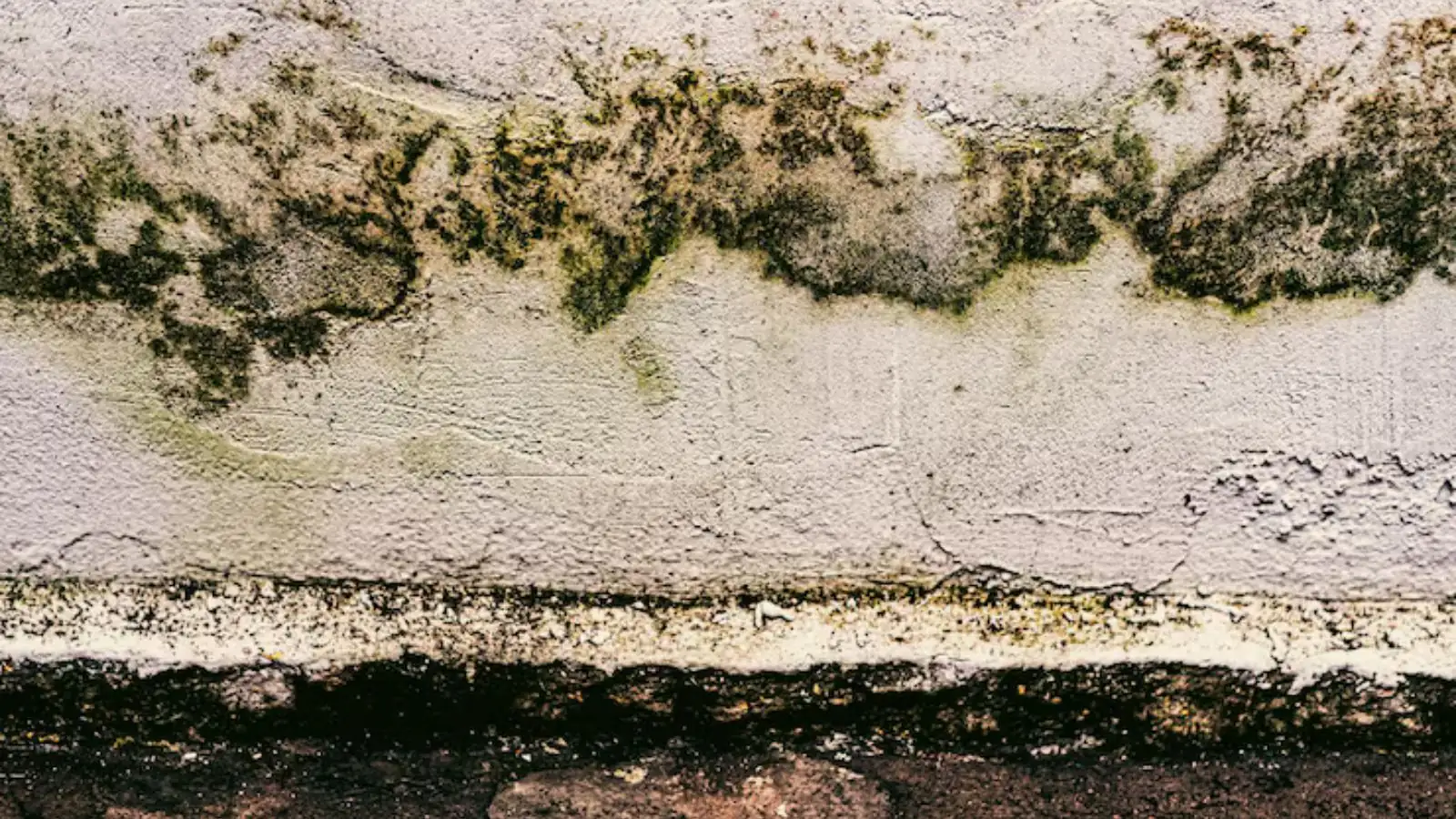
Smell something musty or see dark spots after a leak?
A musty odor, a stain that spreads and dark patches on drywall, trim or ceiling all suggest mold on a damp surface. Mold can start on wet material within about 24 to 48 hours, according to EPA guidance.
The spots are the symptom. The cause is moisture, so the real fix is to find the water and dry the area before or during cleanup.
What to look forCommon places mold shows up
Bathroom ceilings and corners
Steam and poor ventilation keep surfaces damp.
Basement walls and stored boxes
Humidity and seepage feed growth.
Under sinks and behind appliances
Slow leaks stay hidden.
Attic sheathing
Roof leaks and poor airflow keep wood damp.
How mold remediation works
Find the moisture
Meters and imaging locate wet materials and the source.
Contain
Plastic barriers and negative air keep spores from spreading to clean rooms.
Remove and clean
Porous affected materials are removed, and hard surfaces are cleaned.
Dry and check
Drying brings materials to normal readings, and you confirm the result with your own testing if you wish.
Small spot or professional job
| Situation | Typical approach | Notes |
|---|---|---|
| Less than about 10 square feet on a hard surface | Homeowner cleanup with protection | EPA guidance sets this as a rough threshold. |
| Larger area or hidden growth | Professional remediation | Containment prevents spread. |
| After sewage or contaminated water | Professional | Contamination changes the scope. |
| Recurring growth | Find and fix the moisture source | Cleaning alone will not hold. |
Do not paint or caulk over mold. Cover-ups trap moisture and the growth continues underneath.
Mold after a leak?
Call. The first step is finding the moisture that fed it.
What affects mold remediation costs
Area and depth
Surface growth differs from growth in framing.
Materials
Drywall and insulation are removed, wood is cleaned.
Containment
Barriers and air filtration add setup.
Moisture source
Plumbing or roof repair is separate.
Drying
Equipment days depend on readings.
We explain scope and price before work starts.
Insurance basicsMold and insurance
Mold coverage varies widely. Some policies cover mold that follows a covered water loss, often with a limit, and others exclude it. Long-term leaks and humidity are commonly excluded.
Read your policy language on mold and ask your carrier before work begins.
Good practiceRules, testing and licensing
There are no EPA limits for mold in homes, so a test result needs interpretation, not a pass-or-fail number. If you hire an inspector, ask for a written scope, not only a lab report.
Ask whether your state licenses mold work, and ask any company about its process in writing. Check current Pennsylvania requirements before you sign anything.
Local conditionsMold in Haverford Township houses
Humid summers, older basements in Llanerch and Brookline, and leaky attics in older roofs give mold plenty of opportunity. Houses built in the postwar era often have tight finished basements with little airflow.
Mold nearly always follows water, so see basement cleanup, structural drying and crawl space water damage. We serve Ardmore and Wynnewood.
HiringChoosing a company and getting a written scope
Ask for a written scope that names the areas, the containment method, what will be removed and what will be cleaned. Ask how the company will handle dust and how it will confirm the area is ready for rebuilding.
Be wary of any company that promises a result without finding the moisture source.
During the workProtecting your home during cleanup
Keep the HVAC off in the work area so air does not carry dust to other rooms. Seal doors with plastic and tape, and keep pets away.
Do not sand or scrub large moldy areas yourself, because that sends particles into the air.
AfterwardControlling humidity afterward
Keep indoor humidity under about 50 percent in summer, ventilate bathrooms and run exhaust fans after showers. Fix leaks within a day or two.
A small humidity monitor costs little and shows when a basement is drifting toward the damp range.
Before the crew arrivesWhat to do and what not to do around mold
Mold guidance here follows EPA guidelines on moisture control and cleanup.
Protect yourself and avoid spreading growth.
- Do not disturb large growth.
- Do not paint or caulk over mold.
- Fix the moisture source first.
Mold questions
Do I need a mold test first?
Not always. Visible growth and a moisture source are often enough to plan. Testing helps in unclear cases.
Can bleach kill mold?
It can lighten stains on hard surfaces, but it does not fix the moisture and does not work on porous material.
How fast does mold grow?
It can begin on damp material in 24 to 48 hours.
Will mold come back?
It can if moisture returns. Fixing the water source is what lowers the risk.