
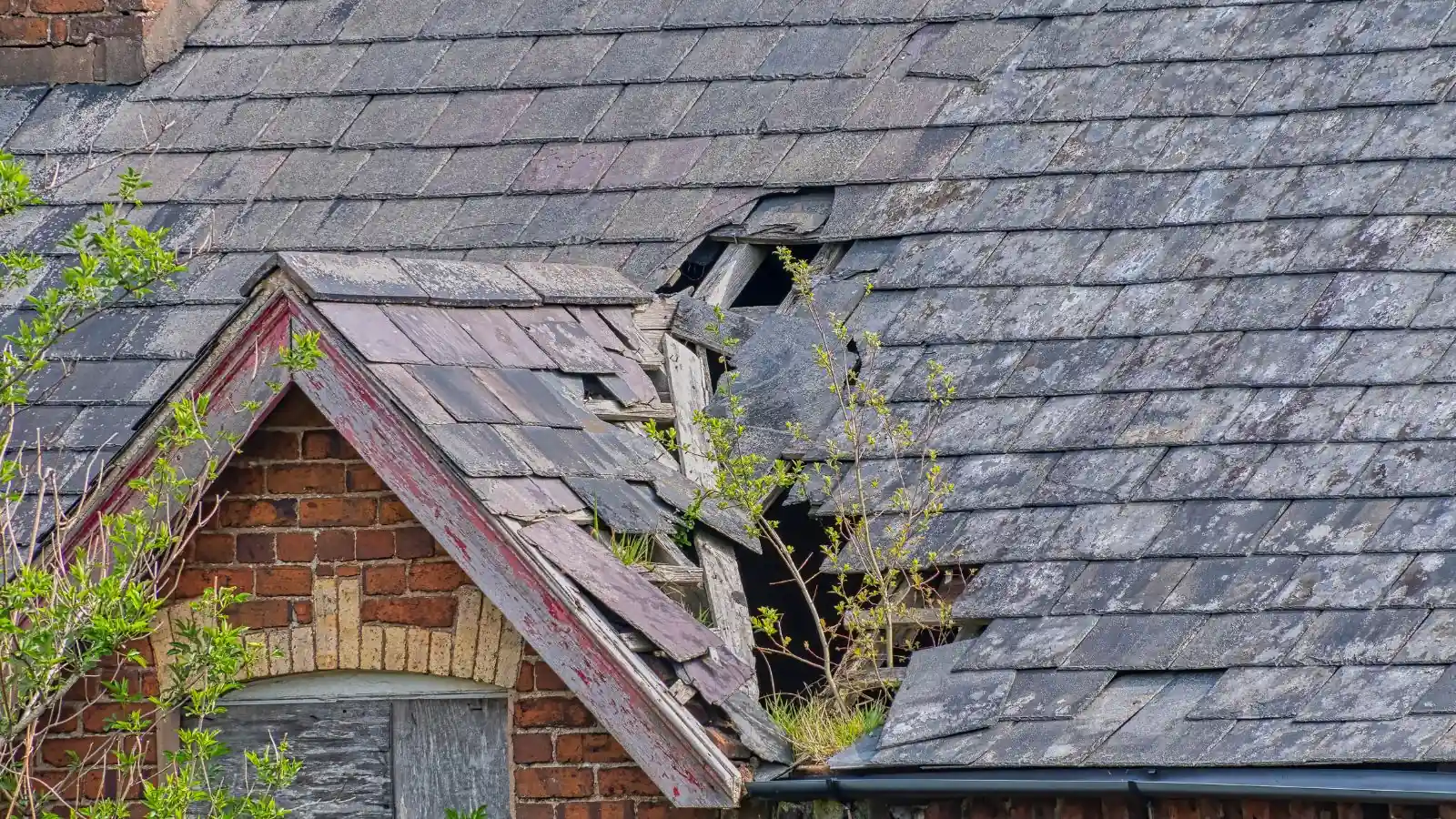
After the storm, water keeps working
Rain that came through a roof or window keeps soaking insulation and drywall after the storm ends. Dispatch runs 24/7, so call as soon as it is safe to do so and describe where the water entered.
Stay clear of downed lines and flooded areas, and do not go on the roof. Move belongings away from the wet area and catch drips with buckets, and photograph everything before cleanup.
Where storm water gets in
Roof and flashing
Missing shingles or lifted flashing let rain into attics and ceilings.
Windows and doors
Wind-driven rain pushes past worn seals and wets sills and walls.
Gutters and downspouts
Overflow runs down walls and along foundations.
Foundation and window wells
Heavy rain fills wells and seeps into basements.
Storm cleanup in order
Stabilize
We note the entry points and suggest a tarp or board-up so the building stays dry.
Extract
Standing water and soaked insulation come out first.
Map moisture
Meters and imaging check attics, walls and floors for hidden water.
Dry
Equipment dries the structure while you arrange roof or window repair.
Roof leak versus flood
| Type of water entry | Insurance angle | Usual first step |
|---|---|---|
| Rain through a damaged roof | Often handled under wind or storm coverage | Tarp the opening, dry the attic and ceiling. |
| Water through a window or door | May depend on whether the opening was damaged | Dry walls and sills, repair the opening. |
| Rising surface water | Usually needs a separate flood policy | Extract and dry, see flood damage. |
| Sewer or drain backup | May need an endorsement | Treat as contaminated, see sewage backup. |
Water coming in after a storm?
Call and tell us where. A tarp or board-up may be needed alongside drying.
What affects the cost of storm cleanup
Entry point
A single window differs from a large roof opening.
Insulation and drywall
Wet attic insulation is bulky and slow to dry.
Number of rooms
Water often spreads from an attic into rooms below.
Temporary protection
Tarps and board-ups add materials and labor.
Timing
Storm surges bring many calls at once.
We explain scope and price before work starts.
Insurance basicsStorms and insurance
Wind and hail damage that lets rain in is often covered by homeowners policies, while flood from rising water generally is not. Which category applies decides which policy pays.
Take photos of the roof, windows and wet areas as soon as it is safe, and call your carrier. Ask whether your policy has a separate wind or storm deductible.
Local conditionsStorm water in Haverford Township
Delaware County was included in the federal disaster declaration for the remnants of Ida in 2021, and the township's creeks and runs carried heavy water in storms before and since. Naylors Run and Meadowbrook Run cross the township, and Cobbs Creek and Darby Creek mark parts of its edge.
For basement intrusion after rain see basement cleanup, and for water that rose from outside see flood damage restoration. If drying runs long, ask about mold remediation. We serve Wynnewood after storms too.
PreparationPreparing before the next storm
Clear gutters and downspouts so they carry water away from the foundation. Check that window wells and sump pumps are working, and move stored items off basement floors.
Know where your main water shutoff and electrical panel are, and keep a flashlight and phone charger within reach.
For your claimPhotographing storm damage
Photograph the roof from the ground, the wet rooms and any broken windows before temporary repairs. Keep receipts for tarps and board-ups.
Write down the date and time the water entered, since your claim may depend on the cause and timing.
Roof leaksAttics and insulation after a roof leak
Wet attic insulation is heavy and can pull a ceiling down. Water often travels along rafters before it drips, so the stain may not sit under the leak.
We check the attic deck, the insulation and the ceiling below, and we remove wet insulation in sections.
Before the crew arrivesWhat to do after a storm lets water in
Our drying plan follows the S500 standard as a procedural reference.
Safety matters most after a storm.
- Stay away from downed lines and flooded yards.
- Do not climb onto the roof.
- Catch drips, move belongings and take photos.
Storm damage questions
Do you handle storm water emergencies at night or on weekends in Haverford?
Yes. Dispatch is open 24/7, and storms often bring night and weekend calls.
Can you tarp my roof?
We can arrange temporary protection for an opening. Permanent roof repair is a roofer's work.
How soon should I call?
As soon as it is safe. Insulation and drywall keep absorbing water after the rain stops.
Is storm water the same as flood water?
Not for insurance. Rain through a roof and rising surface water are treated differently in most policies.