
Why documentation matters
An adjuster sees your home after cleanup has started, so your records stand in for what the damage looked like at the start. Clear photos, dates and receipts help explain what was wet, what was removed and why.
None of this guarantees a payout. It simply makes your claim easier to understand and harder to dispute.
Photograph before you touch anything
Take wide shots of each affected room, then close-ups of the source, the waterline and each damaged item. Include a tape measure or a common object for scale where it helps.
Take video too. Walk through each room slowly and narrate what you see, including the date and time.
- The source, such as the broken pipe or failed hose.
- The waterline on walls and furniture.
- Ceiling stains and sagging areas.
- Serial numbers on appliances.
Build an inventory of damaged contents
List each damaged item with a rough age, where you bought it and what it cost. Receipts, order emails and photos of the item in use help.
Keep damaged items until the adjuster approves disposal, or photograph them thoroughly before they go. Cardboard and wet upholstery can be photographed and discarded if they pose a health or mold risk.
ChecklistRecords to keep and who produces them
| Record | Who produces it | Why it helps |
|---|---|---|
| Photos and video of damage | You | Shows conditions before cleanup. |
| Moisture readings and drying log | Restoration company | Shows what was wet and when it dried. |
| Scope of work and invoices | Restoration company | Documents the work performed. |
| Plumber or HVAC report on the cause | Repair trade | Explains why the loss happened. |
| Receipts for emergency purchases | You | Supports reimbursement requests. |
Starting a claim?
Call and we begin documenting the loss on the first visit.
Keep a timeline
Write down when you noticed the water, when you shut it off, when you called the insurer and when each crew arrived. Add names and phone numbers.
A one page timeline saves a lot of memory work later, especially if the claim takes weeks.
What a moisture log shows
A moisture log lists readings by room, material and date. It proves that drying started promptly and ended when readings reached a dry standard.
Ask your restoration company for the log at the end of the job. If a company cannot produce one, that tells you something about the company.
Protecting valuables and electronics
Move electronics, documents and small valuables to a dry upper floor before cleanup begins, and photograph them in the new location. If an item is wet, do not turn it on.
List serial numbers for devices and appliances. A photo of the label is faster than writing it down.
Photographing the source of the loss
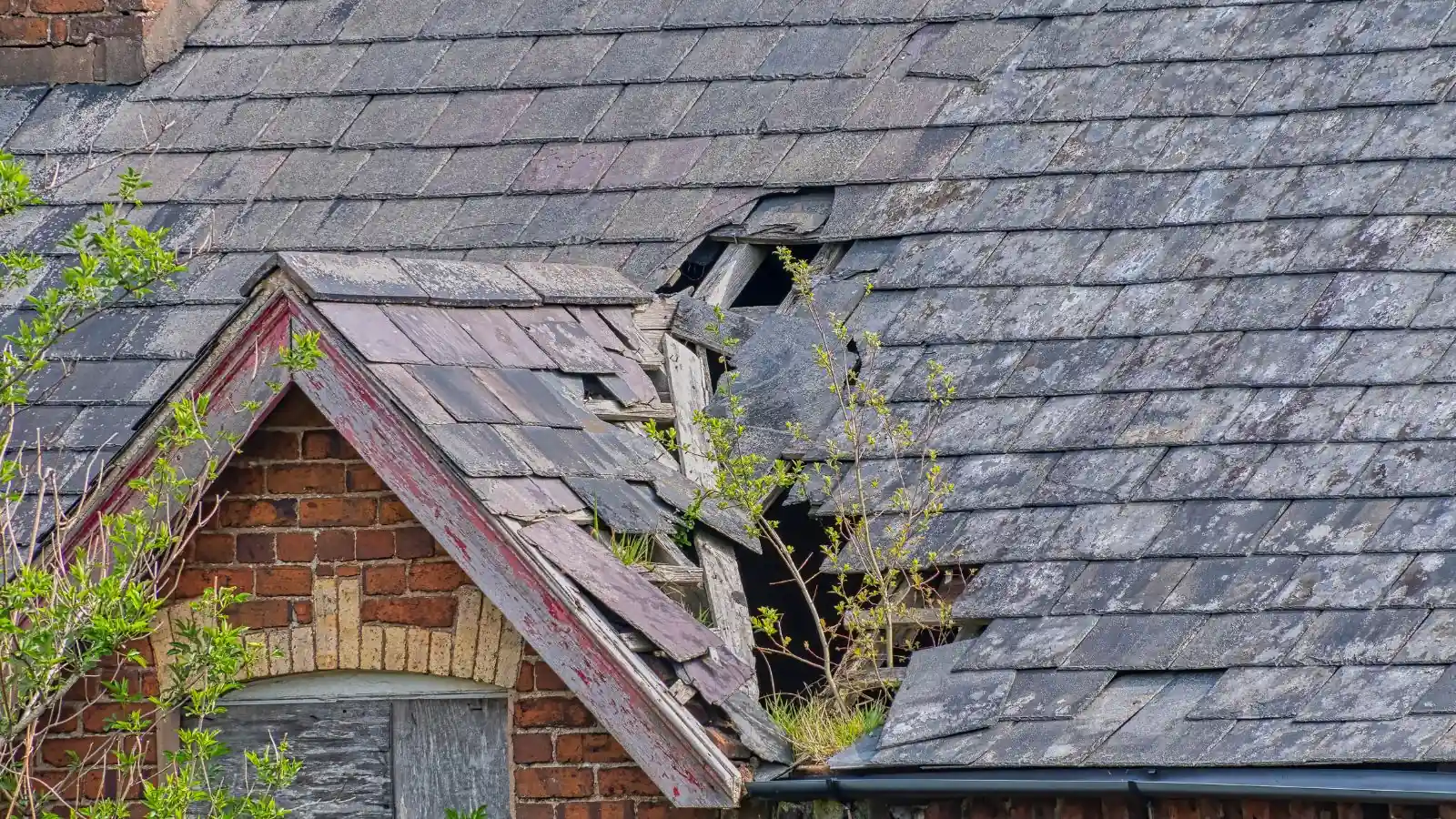
The cause of the loss matters as much as the damage. Photograph the burst pipe, the cracked hose or the hole in the roof before the repair trade replaces it.
Ask the plumber or technician to write the cause on the invoice in plain words. That sentence often answers the first question an adjuster asks.
Keeping receipts for temporary costs
Keep receipts for hotel stays, meals, storage and emergency supplies. Some policies cover additional living expenses when a home cannot be used.
Ask your carrier what it needs, how soon, and in what form. A simple folder or spreadsheet is enough.
Following up in writing
After every phone call with the insurer, send a short email listing the date, the person you spoke with and what was agreed. It creates a record without any confrontation.
Keep the claim number on every message. If something is unclear, ask for the answer in writing.
Common documentation mistakes
The most common mistake is cleaning up before taking photos. Others are tossing damaged items without a list, losing the plumber's invoice and forgetting to write down dates.
Fixing these costs little at the start and a lot later, so treat the first hour as a documentation hour too.
A simple folder system
Create one folder, on paper or on your phone, and put everything in it from day one. Label subfolders for photos, receipts, reports and correspondence.
When the adjuster asks for something, you can send it in minutes. That speed makes the process less stressful.
Documenting water that is still arriving
If water keeps coming in, such as a slow roof leak during a multi-day storm, record it repeatedly. Take photos at the start and end of each day and note the weather, so the timeline shows the pattern.
A short video of the drip or the stain growing is hard to argue with, and it takes less than a minute.
Photos of the room before the loss
If you have older photos of the room, such as holiday pictures or listing photos, save copies. They show the condition of floors, cabinets and finishes before the damage.
Adjusters use these to understand what was there, and they help when you discuss matching and replacement.
More detailWhat an adjuster usually wants to see
Adjusters look for clear photos, dates, receipts and a description of what happened. Keep every invoice and write down who you spoke to and when.
Permits and rebuilding records in Haverford Township
Rebuilding after a loss may need permits. Haverford Township's Building and Codes Department at 1014 Darby Road handles them, and online permits go through the TRAISR system. Inspections are performed within 48 hours of scheduling.
Keep permit numbers and inspection results with your claim file, since your insurer may ask for them. Contractors must be licensed with the township, so keep a copy of that proof too.
Working with the adjuster
Be present when the adjuster visits and walk through each room. Share your photos, your timeline and the restoration company's report.
Ask for written confirmation of what is covered and what is not. Our extraction and structural drying crews can walk the adjuster through the log. We serve Ardmore and Wynnewood claims too.
Common questionsClaim documentation questions
Where do I find the Building and Codes office in Haverford Township?
It is at 1014 Darby Road in Havertown. Call before you start any rebuilding to ask which permits apply.
Can I throw away wet items before the adjuster visits?
Photograph them first and keep a list. Keep anything the adjuster asks to see.
Do I need receipts for the restoration work?
Yes. Keep the scope, invoice and drying log in one folder with your claim number.