
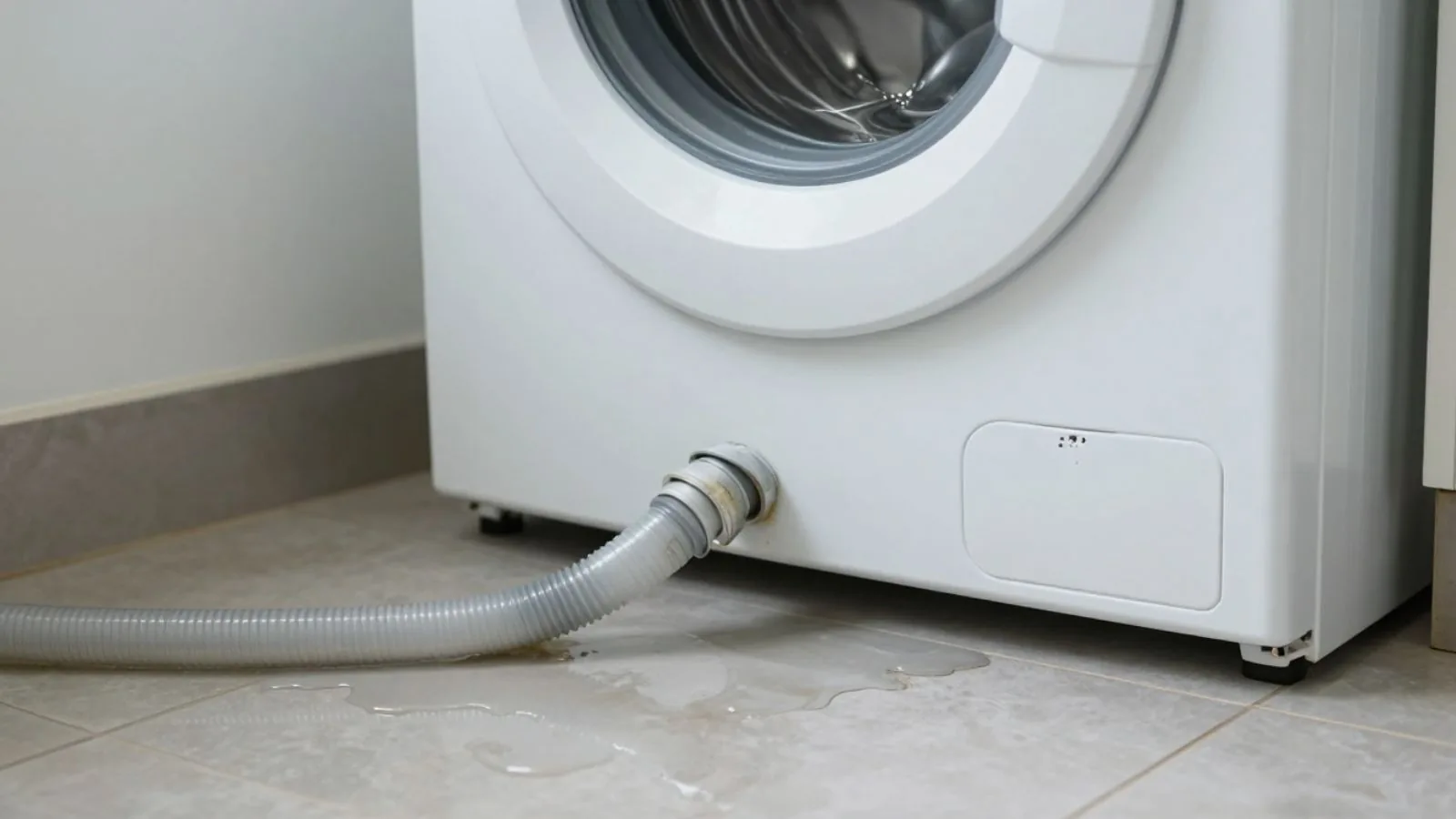
Start with the real size of the damage
A small stain can hide a large wet area. Before you decide, measure how far the water went. A moisture check shows whether the wet zone is a few feet or a whole wall cavity.
Decisions made on a surface impression often turn out wrong.
Compare the repair to your deductible
Your deductible is the amount you pay before the insurer pays. If the repair costs less than the deductible, a claim pays nothing. If it costs a bit more, the payout may be small.
Ask your agent for the deductible that applies to water damage, and whether there is a separate one for wind or storm.
Decision guideQuestions that help you decide
| Question | Leans toward filing | Leans toward paying yourself |
|---|---|---|
| Repair cost compared with the deductible | Well above it | Below it. |
| Is the damage hidden or growing? | Yes, or unclear | No, and dry. |
| Was the cause sudden? | Yes | A slow, long-running leak. |
| Is mold or sewage involved? | Yes | No. |
| Do you expect more repairs soon? | Yes | No. |
How claims can affect you
Insurers keep claim histories, and some use them when pricing or renewing a policy. A history of several claims may affect premiums or availability.
That is a general pattern, and it varies by insurer. You can call your agent and ask in general terms without filing.
Not sure how big the leak is?
Call for a moisture check before you decide.
Report versus file
Telling your insurer about a loss may start a claim record even if you never receive a payment. Ask your agent what happens when you call to ask a question.
Whatever you decide, document the leak with photos and dates. If the damage turns out to be larger, you will want those records.
Fix the cause either way
Insurers expect you to prevent further damage. Shut off the water, repair the leak and dry the area quickly. A leak that is left to run can be treated as neglect.
Keep receipts for repairs and drying. They support a claim now or later.
Beware of hidden damage
Small leaks often hide behind cabinets, inside walls and below floors. By the time the stain shows, the wet zone may be large.
Mold can start on damp material within 24 to 48 hours, so a quick check can head off a bigger problem.
Slow leaks and the maintenance exclusion
Many policies exclude damage from a leak that went on for weeks or months. An insurer may argue that regular maintenance would have caught it.
Photos with dates, a plumber's note and the first date you noticed the problem help show when it began.
Getting a second opinion
If the damage seems small, a restoration company or a plumber can look and tell you what they see. A moisture check is quick and gives you facts.
A second opinion costs less than a wrong decision about filing.
Paying out of pocket
Some owners choose to handle small repairs themselves to avoid a claim record. That is a personal choice, and it works best when you dry the area, fix the cause and keep receipts.
If the damage later grows, your records show the timeline.
Talking to your agent
Your agent can explain how your policy treats small losses and how claims affect pricing. Ask in plain terms, and take notes of the answer.
Agents work differently from adjusters, so ask both if you need to.
What the adjuster will want to see
If you file, expect the adjuster to ask for photos, the cause and repair invoices. Have them ready, along with your timeline.
A clear folder makes the process faster.
When a small leak is a warning
A leak that appears twice may mean an aging pipe, a failing seal or a recurring condensation problem. Fixing the cause matters more than the first stain.
Ask a plumber or technician for a short written note on the cause.
SourcesSources for the insurance points
The claim points reflect general insurance practice and consumer guidelines from the Pennsylvania Insurance Department, and your own policy controls.
More detailQuestions to ask before you decide
Ask what your deductible is and compare it with a rough repair estimate. If the repair is close to the deductible, a claim may not pay out anything useful.
Read how your policy treats a sudden event compared with a slow, ongoing leak. Many policies treat them differently, and the wording in your own policy controls. A call to your agent to ask a general question is not the same as filing a claim, but ask how the company records the call.
More detailWhat to keep whether or not you file
Keep photos, the plumber's invoice and any drying records. If the damage turns out to be larger than it first looked, those records show when you found it and what you did.
A dry, documented repair is also useful later. A future buyer or inspector may ask what happened, and clear paperwork answers the question. If water is still present, structural drying is what confirms the structure is actually dry.
More detailWhen a claim is worth considering
A claim is more likely to make sense when the damage reaches walls, ceilings or flooring, when the repair cost is well above your deductible, or when the leak affects more than one room.
Whatever you decide, mitigate the damage promptly. Most policies expect you to take reasonable steps to prevent further loss, and your policy wording controls.
Consumer help in Pennsylvania
The Pennsylvania Insurance Department takes consumer questions at 877-881-6388, and it can explain claim rights in general terms. Haverford Township's Building and Codes Department at 1014 Darby Road can answer permit questions for repairs.
Delaware County was part of the 2021 federal disaster declaration for the remnants of Ida, and flood coverage is a separate policy, so check which cause applies before you file.
A practical order of steps
Stop the water, photograph everything, call a moisture check and then decide. Our ceiling repair and appliance leak pages explain common small-leak sources.
We serve Ardmore and Wynnewood and explain scope and price before work starts, so you have the number in hand.
Common questionsSmall leak claim questions
Who can I call in Pennsylvania to ask about my claim rights?
The Pennsylvania Insurance Department takes consumer questions at 877-881-6388.
Will asking my agent about a claim count as filing?
It depends on the insurer. Ask how the company records general questions before you describe the loss.
What if the leak turns out bigger later?
File promptly once you know, and bring your photos, dates and repair records.