
Why people mix the two up
Search results for a radon mitigation system sit next to results for water mitigation, and both involve basements. The word mitigation means reducing a problem in both cases, but the problems have nothing to do with each other.
One is a gas that comes from the soil. The other is liquid water that enters a building. Treating one with the tools of the other does not work.
What radon is
Radon is a radioactive gas that forms naturally when uranium in soil and rock breaks down. It moves up through the ground and can enter a house through cracks in a slab, floor drains, sump pits and gaps around pipes.
You cannot see or smell it. The EPA recommends testing homes for radon, and the only way to know your level is a test.
What a radon mitigation system does
The most common system is called sub-slab depressurization. A pipe runs from beneath the basement slab through the house or outside wall to the roof, and a fan pulls soil gas out before it can enter the living space.
Sealing cracks and covering a sump pit with an airtight lid are part of many installations. The system runs continuously and is checked with a follow-up test.
What water mitigation does
Water mitigation removes liquid water and dries wet building materials. Its tools are pumps, extractors, air movers, dehumidifiers and moisture meters.
It protects the structure from rot and mold. It does not change the radon level in the house.
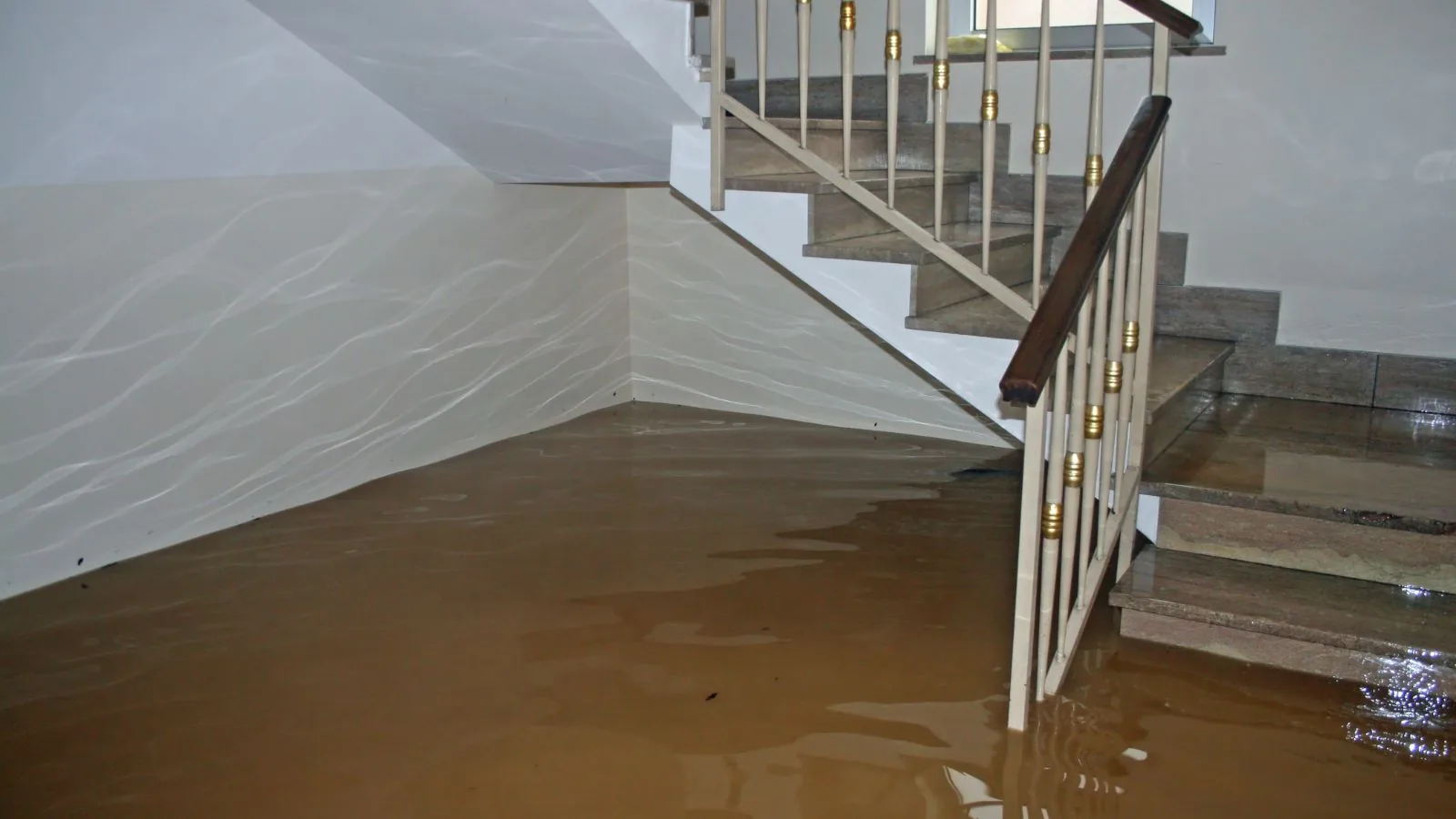
Wet basement, not radon?
Call the 24/7 line. We handle the water side of the job.
Side by side
| Question | Radon mitigation | Water mitigation |
|---|---|---|
| What is the problem? | A gas moving up from the soil | Liquid water inside the building. |
| How do you find it? | A radon test over several days | Moisture meters and a visual check. |
| Typical equipment | Vent pipe and fan | Pumps, air movers, dehumidifiers. |
| How long does it take? | A day to install, then ongoing operation | Hours to extract, days to dry. |
| Who does the work? | A DEP-certified radon contractor in Pennsylvania | A restoration company. |
Does a wet basement affect radon?
Water and radon are different problems, but a basement with cracks that let water in may also have openings for soil gas. Sealing cracks for radon is not the same as waterproofing, and a waterproofing job is not a radon fix.
If you have both issues, address water first, since wet materials and a damp slab complicate testing and installation. Then test for radon and treat any elevated result separately.
What a water crew will and will not do
We extract water, dry the structure and document the work. We do not test or mitigate radon.
If a radon test is on your list, schedule it after the basement is dry and the drying equipment is gone, because moving air can affect a test.
Common myths
One myth is that a sump pump removes radon. A sump pump moves water, and it can even be a path for soil gas if the pit is not sealed. Another is that opening windows solves a radon problem, which gives only temporary relief.
A third is that a good smell test finds it. Radon has no smell, so testing is the only way.
Testing basics
Short-term tests run for a few days and long-term tests run for months. Both use a closed-house setup so results reflect normal conditions. A certified tester follows state rules and reports in writing.
Do not test during a flood cleanup, since fans and open windows change the results.
Why basements deserve a closer look
Basements sit against soil, so they are the likely path for soil gas. They are also where water problems show up. A basement that gets attention for both issues tends to be in better shape.
Plan the order of work, so that one job does not undo the other.
Planning the order of work
If you are buying or selling a home, a radon test and a water or moisture inspection often happen in the same window. Let the moisture inspection finish first, so wet conditions do not cloud the radon test.
If a test finds an elevated level, a certified contractor can quote a system, and that work can be scheduled around any water repairs.
Where to find official information
The EPA publishes consumer guidance on radon testing and mitigation, and the Pennsylvania Department of Environmental Protection runs the certification program and the directory of certified firms. Both are better starting points than a company advertisement.
Use the official directory to verify any contractor before you pay a deposit.
SourcesSources for radon information
Radon points follow EPA guidelines and Pennsylvania DEP certification rules, according to the agency's published program.
Radon rules in Pennsylvania
Pennsylvania law requires certification by the Department of Environmental Protection for anyone who tests for radon, installs a mitigation system or analyzes radon samples, and the rule has applied since September 21, 1988. DEP keeps a Radon Services Directory of certified individuals and firms, updated monthly.
The DEP Radon Division can be reached at 800-237-2366 or 717-783-3594. Use the directory to check a contractor's certification before you sign anything.
How to choose a radon contractor
Ask for the contractor's DEP certification number and check it in the directory. Ask for a written scope that names the system type, the fan, the pipe route and the follow-up test.
Compare quotes by scope. A low price that skips sealing or the post-installation test is not the same job.
Next stepsWhat to do if you have both problems
Start with the water. Call a restoration company for basement water damage cleanup if there is standing water, and ask for a drying log.
Once the basement is dry, schedule radon testing with a certified tester. If you also see musty smells, read about mold remediation. We serve Ardmore and Wynnewood basements as well.
Common questionsRadon and water questions
Does a radon mitigation system also fix a wet Haverford basement?
No. A radon system moves soil gas and does not stop water. A wet basement needs water removal, drying and a fix for the source.
Do I need a certified contractor for radon work in Pennsylvania?
Yes. DEP certification is required for testing, mitigation and laboratory analysis.
Can a restoration company install a radon system?
Only if it holds the DEP certification. Check the directory rather than the company's description.
Should I test for radon after a flood?
Wait until the basement is dry, then test with a certified tester.