
Why this matters
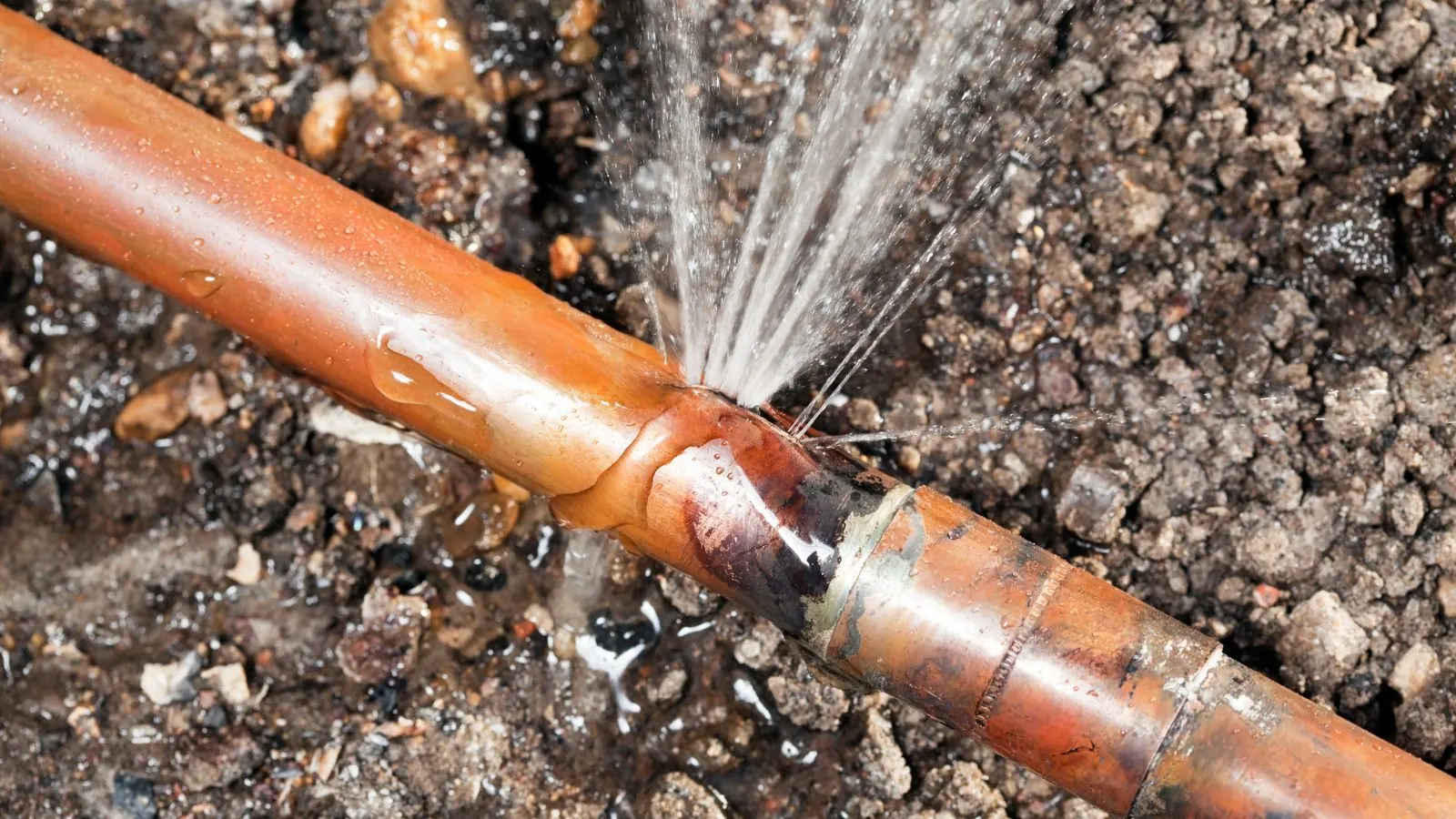
A broken supply line can release hundreds of gallons in an hour. The faster you shut off the water, the less damage there is to dry.
Most people look for the shutoff for the first time during an emergency. Finding it now costs a few minutes and saves a lot of stress.
Where the main shutoff usually is
In most houses the water line enters through the foundation wall, and the shutoff valve sits near that point, close to the water meter. In basement homes it is often along the front wall near the meter. In slab homes it may be in a utility closet or near the water heater.
Look for a pipe coming through the wall and a valve with a round handle or a lever.
Valve guideTwo common valve types
| Valve | How it looks | How to close it |
|---|---|---|
| Gate valve | Round wheel handle | Turn clockwise until it stops. |
| Ball valve | Lever handle | Turn the lever a quarter turn so it crosses the pipe. |
| Meter shutoff | Small valve beside the meter | Turn as above, and do not force it. |
How to close it
Turn the valve fully. Then open the lowest faucet in the house to drain water from the pipes, and open an upper faucet to let air in.
Turn off the water heater so it does not run dry. For an electric heater, switch off the breaker, and for a gas heater, set the control to pilot.
Water running?
Shut the main and call the 24/7 line.
The curb stop is not yours
At the street there is another valve called the curb stop. It sits at the edge of the utility's service. In Haverford Township, water is supplied by Aqua Pennsylvania, and the utility owns the curb stop.
Do not try to turn it yourself. If the indoor valve will not close, call Aqua Pennsylvania and a plumber.
Test the valve now
Close and open the valve once a year. Valves that sit for years can seize, and you want to learn that before an emergency.
If it leaks around the stem or will not turn, have a plumber replace it. A ball valve is easier to operate than a gate valve.
Label it
Tie a bright tag to the valve and put the location on your phone. Tell everyone in the house where it is.
If you rent, ask the landlord and write the location down. In a condo, ask the association which valve serves your unit.
What if you cannot find the shutoff
If you cannot find the valve, trace the water pipe from the meter or from the point where it enters the house. Check the basement front wall, closets, the area near the water heater and any crawl space.
In an emergency, shut the nearest fixture valve under the sink or behind the toilet, and call a plumber and the utility.
Individual fixture valves
Sinks, toilets, washers and water heaters each have a small valve. Learning where they are lets you stop a single leak without shutting off the whole house.
Turn them off and on once a year to keep them from seizing.
After you turn the water back on
Open the valve slowly. Check the repaired area for drips, and run the faucets one at a time until the air clears. Let a hot water tap run until water flows steadily before turning the heater back on.
Watch the area for the next hour, then again the next day.
Vacations and long absences
If you travel for more than a few days, shutting off the main reduces the risk of a leak while you are away. Turn off the water heater too, or set it to a vacation setting.
Ask someone to check the house if you are away in winter, and keep the heat set to a safe minimum.
Frozen and exposed main lines
A main that runs along an exterior wall or through an unheated space can freeze. Insulate it and seal drafts nearby.
If a main freezes, shut it, open a faucet and call a plumber before thawing.
Water meters and leak checks
Your meter has a small dial that spins when water flows. With every fixture off, a moving dial means a leak somewhere.
Check it before and after an hour away from the house to spot a hidden leak.
SafetyWhat to do first and where the rules come from
Valve and shutoff advice is general plumbing practice, and plumbing work in Pennsylvania follows the codes and standards the township enforces. Safety first: what to do is close the valve, then call for help.
More detailWhere to look if you cannot find it
Check the basement wall that faces the street, the utility room and near the water heater. In some homes the valve sits in a crawl space or an outdoor box near the curb.
Test the valve once a year so it is not stuck when you need it. A valve that has not moved in years can seize.
More detailAfter the water stops
Open a faucet at the lowest point of the house to drain the lines. Do not turn the power back on if water reached outlets or the panel. Call a licensed plumber for the repair and water extraction for any standing water.
Water and permits in Haverford Township
Aqua Pennsylvania supplies water to the township, and the customer owns the service line on the property side of the curb stop. That means a leak on the line between the curb and the house is usually the homeowner's to repair.
The township Building and Codes Department at 1014 Darby Road can be reached at (610) 446-1000 for questions about plumbing permits, and contractors must be licensed with the township.
After the water is off
Take photos, move belongings and call for help. Our crews handle burst pipe cleanup and water extraction, and we log readings you can use for a claim.
We serve Ardmore and Wynnewood with the same 24/7 dispatch.
Common questionsWater main questions
Can I turn off the curb stop at the street in Haverford Township?
No. Aqua Pennsylvania owns it. Close the valve inside your house and call the utility if you need the street valve closed.
What if my main valve will not turn?
Do not force it. Call a plumber and the utility.
Will turning off the water harm my pipes?
No. Closing and opening the valve slowly is safe, and it is a good test.