
Start with the moisture
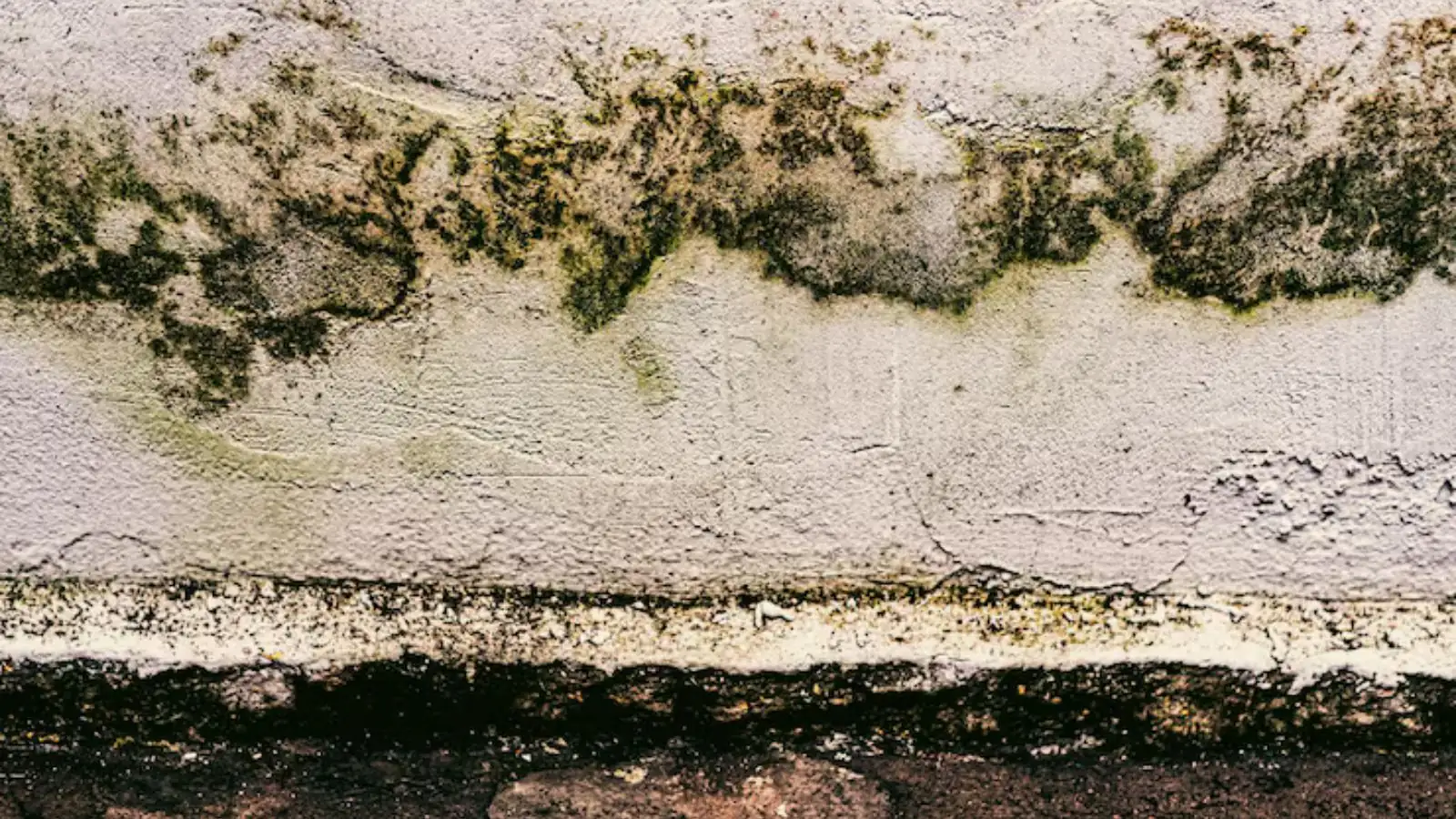
Mold grows where moisture lingers. Before you scrub, ask where the water comes from. It may be steam from showers, a leaking supply line, a dripping vanity trap or a failed tub caulk line.
If you clean without fixing the source, the mold returns, often in the same corner.
When you can clean it yourself
EPA guidance treats areas smaller than about 10 square feet as manageable by a homeowner, as long as the material is hard and non-porous, such as tile, glass or a fiberglass tub.
Wear gloves, eye protection and a mask rated for fine particles. Open a window or run the fan, and keep the door closed to the rest of the house.
How to clean hard surfaces
Scrub the area with detergent and water, then rinse and dry completely. The goal is to remove the mold, not just lighten the stain.
Never mix bleach with ammonia or other cleaners, because the fumes can be dangerous. If you use a product, follow its label, and keep the room ventilated.
- Use a stiff brush on grout lines.
- Dry every surface with a clean towel.
- Replace the sponge or brush afterward.
Clean it, or remove it
| Material | Usually | Reason |
|---|---|---|
| Tile and glass | Clean | Non-porous surfaces clean well. |
| Grout | Clean and reseal | Porous grout holds moisture. |
| Caulk | Remove and replace | Mold roots in the caulk body. |
| Painted drywall | Clean if small, replace if soft | Paper face can hold growth. |
| Ceiling tile or fabric | Replace | Porous and hard to clean. |
Mold from a hidden leak?
Call. We find the moisture before the cleanup.
Fix the ventilation
A bathroom fan should move steam out of the house, not into the attic. Run it during showers and for 20 to 30 minutes afterward. Many fans are undersized, noisy or ducted into the attic.
If the fan does not pull a sheet of tissue to the grille, it is not doing its job. An electrician or HVAC contractor can replace and duct it properly.
Keep surfaces dry
After showers, wipe wet tile, squeegee glass and hang towels to dry. Open the door to let the room air out.
Keep indoor humidity under about 50 percent. A small humidity monitor costs little and tells you when the bathroom is staying damp.
Signs it is more than surface mold
Soft drywall, a bulging wall, a ceiling stain that returns and a musty smell that persists all suggest water behind the surface. That needs a moisture check, not another round of scrubbing.
A hidden leak from a supply line or a wax ring can feed mold for months.
What not to do
Do not paint or caulk over mold, since the growth continues underneath. Do not sand or scrape large areas without protection, because that sends particles into the air.
Do not rely on a quick spray to treat a hidden problem.
Shower curtains, liners and fixtures
Plastic liners and curtains collect soap film and hold moisture in their folds. Wash them regularly or replace them when spots appear. Check the underside of soap dishes, the base of faucets and the track of sliding doors.
These small spots are easy to miss, and they give mold a place to start again.
Caulk and grout care
Caulk lasts only a few years before it cracks or peels. When it does, water gets behind the tub or tile. Remove the old bead, let the area dry fully and apply a new bead of caulk made for bathrooms.
Seal grout once or twice a year, following the product directions. Sealed grout resists moisture longer.
A weekly routine
A two minute routine keeps most bathrooms clear. Run the fan, squeegee the tile, hang towels and leave the door open to air out. Once a week, wipe the usual trouble spots with a bathroom cleaner.
If spots return within days, the cause is moisture that is still present somewhere, and it is time to look behind the surface.
When the mold is on the ceiling
Ceiling mold usually means steam rising and condensing on a cool surface, or a leak from above. Wipe it with detergent and water using a step stool, and dry it fully.
If the ceiling paint bubbles or the board feels soft, check for a leak in the room above or in the roof.
Choosing paint and finishes
Paint made for bathrooms resists moisture better than flat wall paint. It does not replace ventilation, but it makes cleaning easier.
Apply it only after the surface is clean and dry, and never over active growth.
SourcesWhere this guidance comes from
The 10 square foot rule of thumb and the advice on cleaning and drying follow EPA guidelines, according to the agency's mold guidance for homes.
More detailCleaning products and safety
Never mix bleach with other cleaners. Open a window or run the fan, wear gloves and eye protection and keep the area dry afterward.
More detailWhy bathrooms grow mold
Showers fill a small room with warm, damp air, and grout, caulk and painted drywall give mold something to hold on to. A weak fan or a closed door after showering keeps the moisture in.
Run the fan during the shower and for a while afterward, wipe wet walls and replace cracked caulk. If growth returns after cleaning, a hidden leak may be the cause.
Permits and repairs in Haverford Township
Replacing a bathroom wall or ceiling after a leak may involve permits. The township Building and Codes Department at 1014 Darby Road can tell you what applies, and inspections are performed within 48 hours of scheduling.
Houses in Llanerch, Brookline and Beechwood date from the early 1900s and often have bathrooms that were added later, sometimes with limited ventilation. Ask whoever works on your bathroom to check the fan duct.
When to call a professional
Call if the mold covers more than about 10 square feet, if drywall is soft or if the cause is sewage or a hidden leak. A crew can open the wall, dry the cavity and remove affected material.
Read about mold remediation and wall and drywall repair to see how that works. We serve Ardmore and Wynnewood too.
Common questionsBathroom mold questions
Do I need a permit to repair a bathroom wall after a leak in Haverford Township?
It depends on the scope. Call the Building and Codes Department before starting, and ask whether plumbing or structural work is involved.
Does vinegar kill mold?
It can clean light growth on hard surfaces, but detergent and drying matter more, and it will not fix the moisture source.
Can I keep using the bathroom during cleanup?
For a small area, yes. For a large cleanup, keep the room closed and ventilated.