
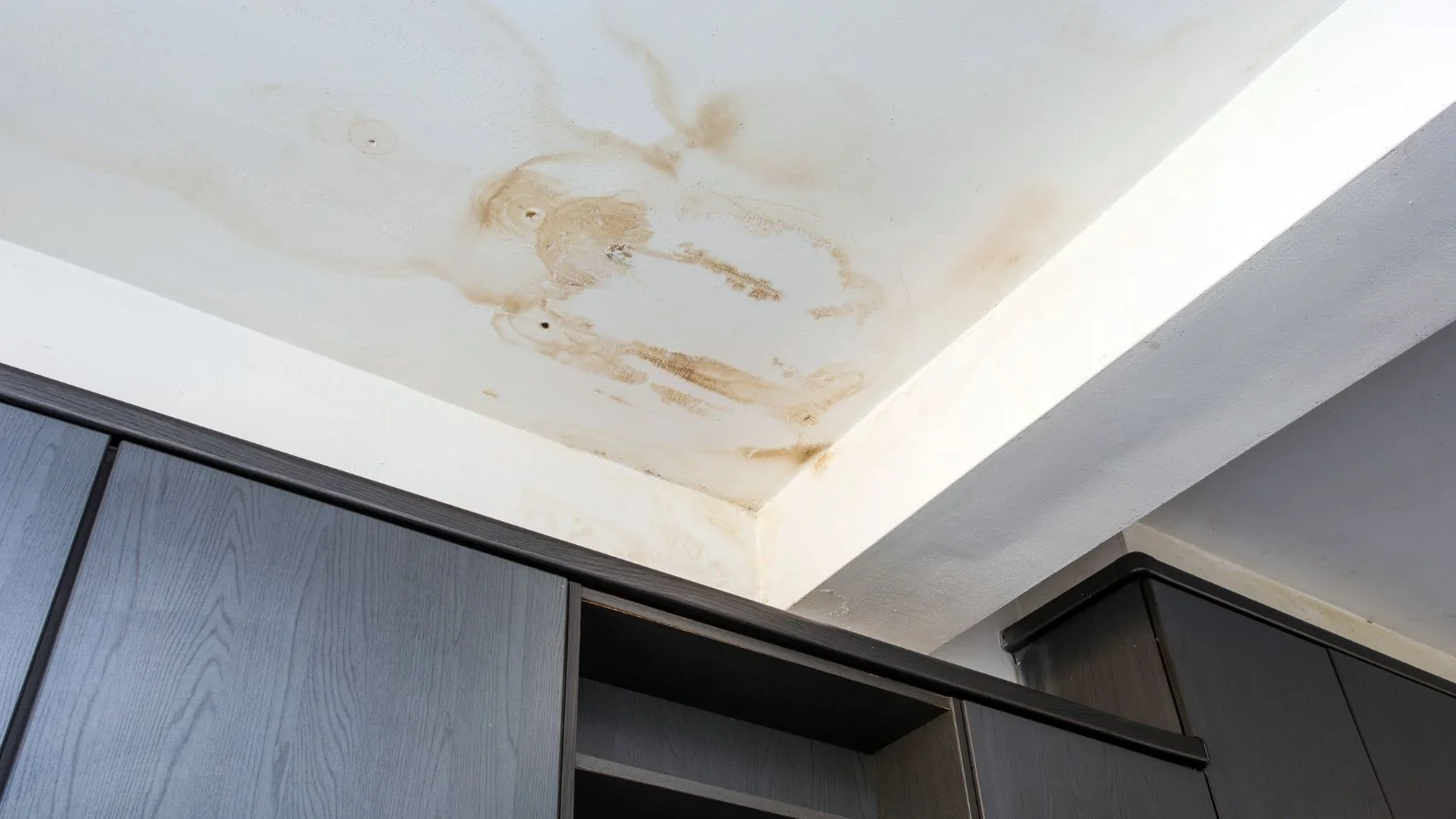
What people mean by black mold
The phrase black mold usually refers to dark green or black growth on walls, ceilings and grout. Many species look dark, and several can look alike without a lab.
The EPA states that you cannot tell the type of mold by its color, so a dark patch tells you that moisture is present, not which species it is.
Why color is not the test
Mold changes color with age, moisture and the surface it grows on. Pink, orange, green and black growth can all appear in one bathroom.
What matters is how much there is, where it is and why it is there. Those answers come from looking at the room and measuring moisture, not from matching a color.
Should you test it?
The EPA does not generally recommend routine sampling when you can see or smell mold. If you already know it is there, the next step is to remove it and fix the moisture.
Testing can help in unusual cases, such as a dispute, an unseen source or a request from an insurer. If you test, ask the tester for a written scope and how results will be interpreted, since there are no EPA limits for mold in homes.
Decision guideWhat to do based on what you see
| What you see | Likely situation | Action |
|---|---|---|
| Small dark spots on grout | Surface growth from steam | Clean, dry, improve ventilation. |
| Dark ring on the ceiling | Steam or a roof or plumbing leak above | Check above, dry, clean or replace. |
| Dark patches with soft drywall | Moisture inside the wall | Open and dry, then replace the board. |
| Large dark area across a wall | Persistent moisture | Call a professional. |
Dark spots returning?
Call. A hidden leak often feeds mold.
Cleaning a small area safely
Protect yourself with gloves, eye protection and a mask rated for fine particles. Ventilate the room and keep the door closed.
Scrub hard surfaces with detergent and water, rinse and dry. Throw away rags and sponges, and do not use them elsewhere.
Porous materials
Drywall, ceiling tile and caulk are porous. If mold has grown into them, cleaning the surface may not be enough, and the material should be cut out and replaced.
Do not paint over dark spots. A stain-blocking primer can cover a stain after the area is dry and clean, but it will not stop growth.
Where the moisture comes from
Look above and behind the stain. A leaking shower pan, a failed wax ring, a roof leak or a vent pipe can wet the same area for months.
If the stain grows or the surface feels cool and damp, a moisture meter and a thermal camera can trace the path.
What to do about the smell
A musty smell without visible growth can mean mold in a hidden spot, such as behind a vanity, inside a wall or above the ceiling. Check cabinets, the area under the sink and the underside of the tub apron.
If you find nothing, a moisture meter and a thermal camera are the next step, since the cause may sit in a cavity you cannot see.
Health concerns and common sense
Some people are bothered by mold and others are not. If you or a family member has symptoms you link to the bathroom, talk with a doctor, and reduce exposure by removing the growth and drying the area.
Do not rely on guesses from color or smell, and do not delay fixing the moisture.
Preventing a return
Fix every leak, ventilate during and after showers and keep humidity in check. Wipe down surfaces that stay wet, and replace worn caulk and cracked grout.
If growth returns in the same place, the cause has not been fixed, and it is worth having it checked.
Questions to ask a professional
Ask what they found, where the moisture came from and how they will contain the area. Ask for a written scope and what will be removed.
Be cautious about a hard sell on testing before anyone has looked at the room.
How long cleanup takes
A small cleanup can take an afternoon. A larger job with demolition, drying and rebuilding can take days. The drying step cannot be skipped.
Ask for a schedule, and ask how you will know the area is dry before the wall is closed.
SourcesWhere this guidance comes from
The points on color, testing and cleanup follow EPA guidelines on mold in the home, according to the agency's consumer guidance. Standards for professional work come from the S520 mold remediation standard, which is an industry reference and not a certification we claim.
More detailWhat color does and does not tell you
Black, green and white growth can look alike, and color alone does not say how risky it is. Treat any growth the same way: fix the moisture, clean or remove it and dry the area.
More detailWhen to call a professional
If the growth is large, keeps coming back or sits behind a wall or under flooring, a crew should look at it. See mold remediation for how that process works.
Humidity and housing in Haverford Township
The township has warm, humid summers typical of southeastern Pennsylvania, and many homes in Llanerch, Brookline, Beechwood, Oakmont and Manoa were built in the early 1900s with bathrooms added later. Older bathrooms often have small windows and basic fans.
The township's Building and Codes Department at 1014 Darby Road handles permits if you replace walls or fixtures, and its inspectors perform inspections within 48 hours of scheduling.
When to bring in a professional
Call if the area is large, if drywall is soft or if you cannot find the source. A crew contains the area, removes affected material and dries the structure.
See mold remediation for the process and ceiling water damage repair if the stain is overhead. We serve Ardmore and Wynnewood homes.
Common questionsBathroom mold questions
Is the dark mold in my Haverford bathroom dangerous?
Color does not show that. Treat any mold the same way: remove it, dry the area and fix the moisture. Talk to a doctor about any symptoms.
Do I need a lab test?
Usually not when growth is visible. Testing helps only in specific cases and must be interpreted by a qualified person.
Will bleach remove it permanently?
No. It does not fix the moisture and does not work well on porous materials.